What Is A Car Warranty Inspection?
A car warranty inspection is a condition check carried out before, or shortly after, a warranty becomes active. It’s designed to identify existing faults, wear, or damage so they can be classed as pre-existing. A warranty inspection for used cars helps assess risk and confirm what condition the vehicle is in at the start of cover. It’s important to note that a pre-existing fault inspection doesn’t guarantee future reliability - it simply establishes the car’s condition at the time the warranty begins.
At MotorEasy, vehicles are not inspected prior to warranty cover being activated. We appoint an independent assessor to inspect your vehicle and confirm any faults or failures when a claim is made.
Why Car Warranty Inspections Exist
Car warranty inspections exist to help warranty providers understand the condition of a vehicle at the point cover begins. They are a standard risk-assessment step, used to identify existing wear or faults before a warranty becomes active. In this way, a warranty inspection works much like underwriting in insurance - it establishes a clear baseline of the car’s condition so that future claims can be assessed fairly. The aim isn’t to predict future reliability, but to separate pre-existing issues from problems that arise during the warranty period.
When a Car Warranty Inspection is Required
Not all car warranties require an inspection, but certain circumstances make one more likely. Inspections are commonly requested when a car is older, has higher mileage, or has gaps in its service history. They may also be required when a warranty starts after the manufacturer warranty has ended, or when cover is taken out some time after purchase rather than immediately. In these cases, an inspection helps establish the vehicle’s condition at the start of cover and identify any pre-existing issues.

Vehicle Age and Mileage Thresholds
Older vehicles or those with higher mileage are more likely to require a warranty inspection. As cars age and accumulate miles, the risk of wear and existing faults increases, which is why inspections are typically used to assess their condition before cover begins. While there are no universal cut-offs, inspections are commonly requested once a car reaches certain age or mileage ranges, helping establish a clear baseline rather than relying on assumptions about its condition.
Type and Level of Warranty Cover
The type and level of warranty cover can influence whether an inspection is required. Broader or more comprehensive warranties are more likely to trigger inspections because they cover a wider range of components and potential faults. An inspection helps establish the vehicle’s condition before cover starts, reducing uncertainty around pre-existing issues. The wider the scope of protection, the more important it is for providers to clearly assess risk at the outset.
What Happens during a Car Warranty Inspection?
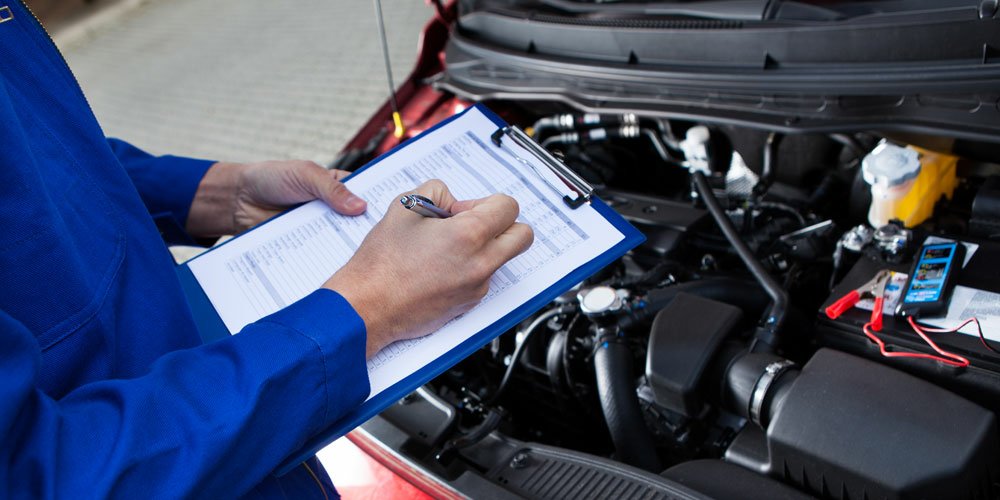
A car warranty inspection is a straightforward condition check designed to record the vehicle’s current state. During the inspection, the car is usually assessed for obvious faults, excessive wear, warning lights, fluid leaks, and signs of existing mechanical or electrical issues. The focus is on identifying anything that may already be present before the warranty starts, rather than predicting future problems. The findings are then recorded and used to confirm whether cover can begin and how pre-existing issues are treated.
Mechanical and Electrical Checks
- Focus on visible, audible, and diagnosable issues
- Looks for signs such as abnormal noises, leaks, or obvious electrical problems
- Aims to flag existing issues rather than inspect every component in detail
Diagnostic Scans and Warning Lights
- Uses onboard diagnostics and dashboard checks
- Identifies current or logged fault codes
- Confirms existing issues only - not future failures
Road Test and Visual Assessment
- Some inspections include a short road test or static checks
- Helps confirm how the car behaves under normal conditions
- Supports an overall snapshot of the car’s condition
What Car Warranty Inspection does not cover
A car warranty inspection records a vehicle’s condition at a single point in time. It does not guarantee reliability or future performance, and it isn’t designed to predict whether faults will occur later.
Wear and Tear vs Mechanical Failure
- Wear and tear develop gradually and may already be present at inspection
- Mechanical failures can happen suddenly and without warning
- An inspection can identify existing wear, but can’t forecast unexpected failures
Why Inspections Can’t Predict Future Breakdowns
- Inspections are a snapshot, not a forecast
- Checks are limited to what can be seen, heard, or diagnosed at the time
- A car may pass an inspection and still develop faults later
Who carries out a Car Warranty Inspection?
Car warranty inspections are typically carried out by independent professionals rather than the warranty provider itself. Independence matters because it helps ensure the inspection is objective and focused on accurately recording the vehicle’s condition at the time of the check.
Approved Local Garages
Inspections are often completed by VAT-registered or approved local garages. These garages follow set inspection guidelines and record their findings in a standard format, helping create a consistent and impartial assessment of the vehicle’s condition.
Mobile or At-Home Inspections
In some cases, inspections can be carried out at the vehicle’s location, such as a home or workplace. These mobile inspections follow the same principles as garage-based checks, providing a practical way to assess the car without needing to travel.
What happens after the Inspection
Once a car warranty inspection is complete, the results are reviewed to determine how cover can proceed. The outcome depends on the vehicle’s condition at the time of inspection and whether any issues were identified.
Passing the Inspection
If no significant issues are found, the inspection can be approved, and warranty cover can begin. This confirms that the vehicle’s condition meets the required standard at the start of cover.
Conditional Acceptance and Noted Issues
If the inspection identifies existing issues or signs of wear, cover may still proceed with those items noted. This helps set clear expectations about which problems were already present when the warranty started, while allowing cover to move forward.
When a Vehicle Fails an Inspection
If significant faults are identified, warranty cover may not start until repairs are completed. This ensures the vehicle meets the required condition before cover begins, without implying that the car is unsafe or unreliable.
Frequently Asked Questions About Car Warranty Inspections
Do all car warranties require an inspection?
No - not all car warranties require an inspection. They may be required when a warranty starts after the manufacturer warranty has ended, or when cover is taken out some time after purchase rather than immediately.
How much does a car warranty inspection usually cost?
Basic vehicle inspection services often start around £100–£130 for a straightforward check at a local garage or independent inspector.
Does passing an inspection mean everything is covered?
If no significant issues are found, the inspection can be approved, and warranty cover can begin. This confirms that the vehicle’s condition meets the required standard at the start of cover.
Can I fail a car warranty inspection?
If significant faults are identified, warranty cover may not start until repairs are completed. This ensures the vehicle meets the required condition before cover begins, without implying that the car is unsafe or unreliable.